Walnuts or Cashews—Which Is Better for Heart and Brain Health?
Walnuts or Cashews—Which Is Better for Heart and Brain Health?
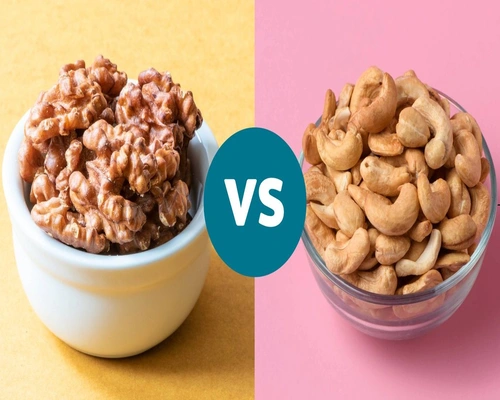
Both walnuts and cashews are beneficial for heart and brain health; however, each has specific qualities that make it slightly better suited for certain purposes.
For Brain Health
• Walnuts take the lead: Walnuts are the best choice for brain health. They are rich in plant-based omega-3 fatty acids (alpha-linolenic acid, or ALA), which significantly aid in enhancing memory and supporting brain development. Interestingly, the shape of a walnut even resembles a human brain, and they are also known to help reduce feelings of depression.
• Cashews: Cashews contain iron and zinc, which support oxygen delivery and cognitive function; however, for the brain, omega-3-rich walnuts are more effective.
For Heart Health
• Both are beneficial: Both walnuts and cashews are equally effective in promoting heart health.
• Walnuts: Their omega-3 fatty acids and antioxidants help protect blood vessels and reduce inflammation.
• Cashews: They contain healthy unsaturated fats, magnesium, and plant sterols, which play a role in regulating blood pressure and triglyceride levels.
Which Should You Choose?
• If your goal is to improve memory and cognitive function, walnuts are the better choice.
• If you are looking for overall nutrition, weight management, or a source of protein, you can include cashews in your diet (as they contain slightly less fat and more protein than walnuts).
Improving Memory
Walnuts are undoubtedly the best choice for boosting memory. Their high content of omega-3 fatty acids directly contributes to the formation of brain cells and helps in memory retention. However, for the best results, it is important to include other nuts and foods in your regular diet alongside walnuts.
How walnuts help improve memory:
• Omega-3 fatty acids: Walnuts are rich in plant-based omega-3 (ALA), which accelerates the transmission of signals between brain nerve cells and helps in retaining new information.
• Antioxidants and polyphenols: The antioxidants in walnuts reduce oxidative stress and inflammation in the brain, thereby lowering the risk of age-related memory decline.
• Stress management: Regular consumption of walnuts helps maintain healthy levels of serotonin in the brain, which reduces anxiety and aids in sustaining focus.
Other nuts and foods beneficial for memory:
In addition to walnuts, several other items play a significant role in boosting brain function:
• Almonds: Almonds are packed with vitamin E, riboflavin, and L-carnitine. They support healthy neurological function and sharpen memory.
• Pumpkin seeds: These contain zinc, magnesium, iron, and copper—minerals essential for maintaining efficient nerve signaling in the brain and enhancing memory.
• Dark chocolate and berries: These contain flavonoids that increase blood flow to the brain, improving immediate focus and memory.
Recommended consumption and guidelines:
• Portion size: Consuming 2–3 walnuts and 4–5 almonds each morning is sufficient.
• Soaking: Soaking the nuts in water overnight and peeling them before consumption allows the body to absorb their nutrients more easily and aids in digestion.