Role of Vitamins and Minerals: Why are they necessary for the body?
Role of Vitamins and Minerals: Why are they necessary for the body?
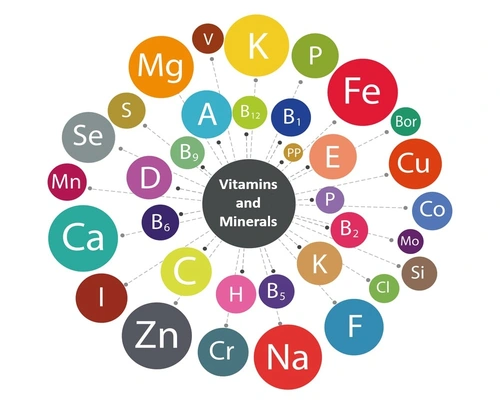
Vitamins and minerals are two very important nutrients for us to stay healthy and strong, which the body cannot produce itself and must be consumed through food.
Role and necessity of vitamins
Vitamins are organic nutrients that increase the body immunity and work in the growth and maintenance of cells.
Vision and skin: Vitamin A keeps the eyes healthy and vitamin C helps in the production of collagen in the skin.
Energy production and nerves: B-complex vitamins provide energy to the body and keep the nervous system healthy.
Cell protection: Vitamins C and E act as antioxidants to protect cells from damage.
Role and necessity of minerals
Minerals are inorganic elements that help in our physical structure and internal functions.
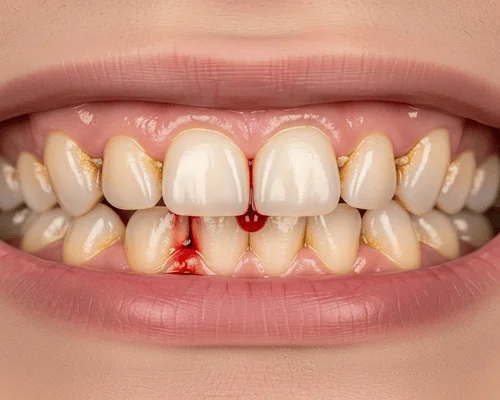
Bones and teeth: Calcium and magnesium maintain bone density and strength.
Blood formation: Iron is essential for the production of hemoglobin in the blood and the transport of oxygen.
Blood Pressure and Fluid Balance: Sodium and potassium maintain the body water balance and control blood pressure.
Role of Vitamins and Minerals: Why are they necessary for the body?
Vitamins and minerals are essential nutrients for the body. They help the body produce energy, grow, prevent disease, and perform various important physical functions properly.
Role of Vitamins
Vitamins play an important role in various biological processes in the body. For example—
Vitamin A: Helps maintain normal vision and immunity.
Vitamin B: Plays a role in the use of energy from food and the normal functioning of the nervous system.
Vitamin C: Helps in immunity and wound healing.
Vitamin D: Important for the normal formation of bones and teeth.
Vitamin E: Plays a role in protecting cells.
Vitamin K: Required for the normal process of blood clotting.
Role of Minerals
Minerals help in the normal functioning of the body bones, blood, muscles, nerves, and other important systems. For example—
Calcium: Helps keep bones and teeth strong.
Iron: Important in transporting oxygen in the blood.
Zinc: Plays a role in growth, wound healing, and disease prevention.
Iodine: Needed to make thyroid hormones.
Potassium: Helps with normal muscle and nerve function.
Magnesium: Plays a role in muscle, nerve, and various chemical reactions in the body.
Why is it needed?
Vitamins and minerals, when available in sufficient amounts, help the body normal growth and development, disease prevention, bone and tooth health, blood formation, and energy utilization processes run smoothly. Therefore, it is important to eat a varied and balanced diet that includes a variety of vegetables, fruits, legumes, grains, eggs, fish, milk, and other nutritious foods.








-vegetable.webp)